Workiz Logo
Step-by-Step Guide to Getting Your Locksmith License in North Carolina

Step-by-Step Guide to Getting Your Locksmith License in North Carolina

WorkizLocksmith TipsUpdated on October 16, 20265 min read

Locksmithing can be a pretty dangerous job. While performing any given task, locksmiths could be battling the weather, terrain, sharp metal shavings, toxic chemicals, and other health and safety risks lurking in and around job sites.

Key takeaways:

  • Meet North Carolina licensing requirements: Obtain a locksmith license through the North Carolina Locksmith Licensing Board (NCLLB) by submitting the required application, identification, training documentation, and examination results.

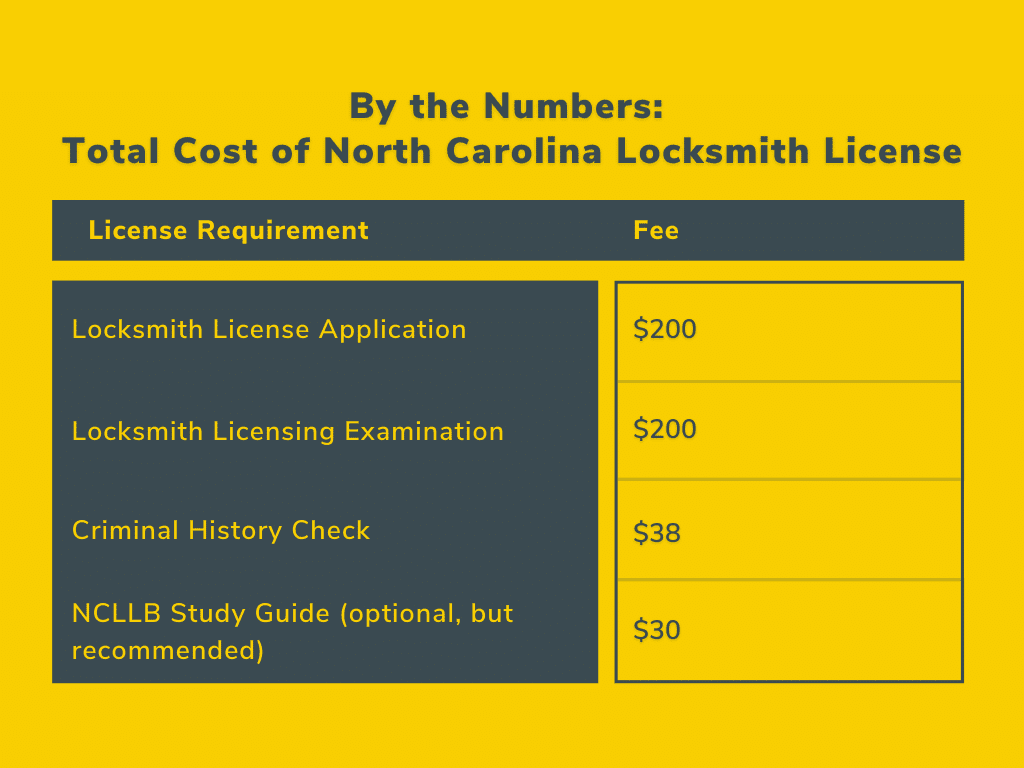
  • Complete background screening: Pass a criminal history and disciplinary background check, which costs $38. The board evaluates offenses based on their severity, timing, and circumstances.

  • Pass the licensing exam and pay required fees: Complete the NCLLB examination, offered six times annually, and pay the $200 exam fee and $200 application fee. An optional study guide costs $30.

  • Prioritize technician safety: Equip locksmiths with appropriate tools, protective equipment, and ergonomic tool belts to reduce injuries and workplace risks.

Obtaining a locksmith license means that you have a basic understanding of how to perform your job well and keep yourself and your customers safe, according to your state's safety codes and standards.

Today, we will get you on your way to obtaining a locksmith license in North Carolina and offer a few tips to prevent injury and increase revenue.

How Do You Get a Locksmith License in North Carolina?

1. Ensure you meet the requirements for a locksmith license.

Locksmith licenses are administered by the North Carolina Locksmith Licensing Board (NCLLB).

To obtain a locksmith license you must provide:

2. Pass a criminal background check.

The NCLLB will conduct a formal history or disciplinary history check. The fee for this is $38.

What criminal history can get you disqualified?

  • Theft or embezzlement as a locksmith business owner or employee

  • Conviction of a criminal offense other than a minor traffic violation

  • Conviction or guilty plea by a court-martial while serving in the military

The board considers the date, severity, and context of the crime to assess eligibility fairly.

Approved Person List

3. Pass a locksmith licensing exam.

The licensing exam is administered 6 times a year by the NCLLB. View the exam schedule. The exam fee is $200.

How to pass your North Carolina locksmith licensing exam?

Request a study guide from director@nclocksmithboard.org by providing your address and paying $30.

Taking A Test

4. Pay application fee.

The locksmith license application fee is $200.

5. Submit your application.

You can print and mail your forms or submit them online.

By mail: NC Locksmith Licensing Board P.O. Box 10972 Raleigh, NC 27605 Phone: 919–838–8782 Fax: 919–833–5743

Locksmith Schools by State

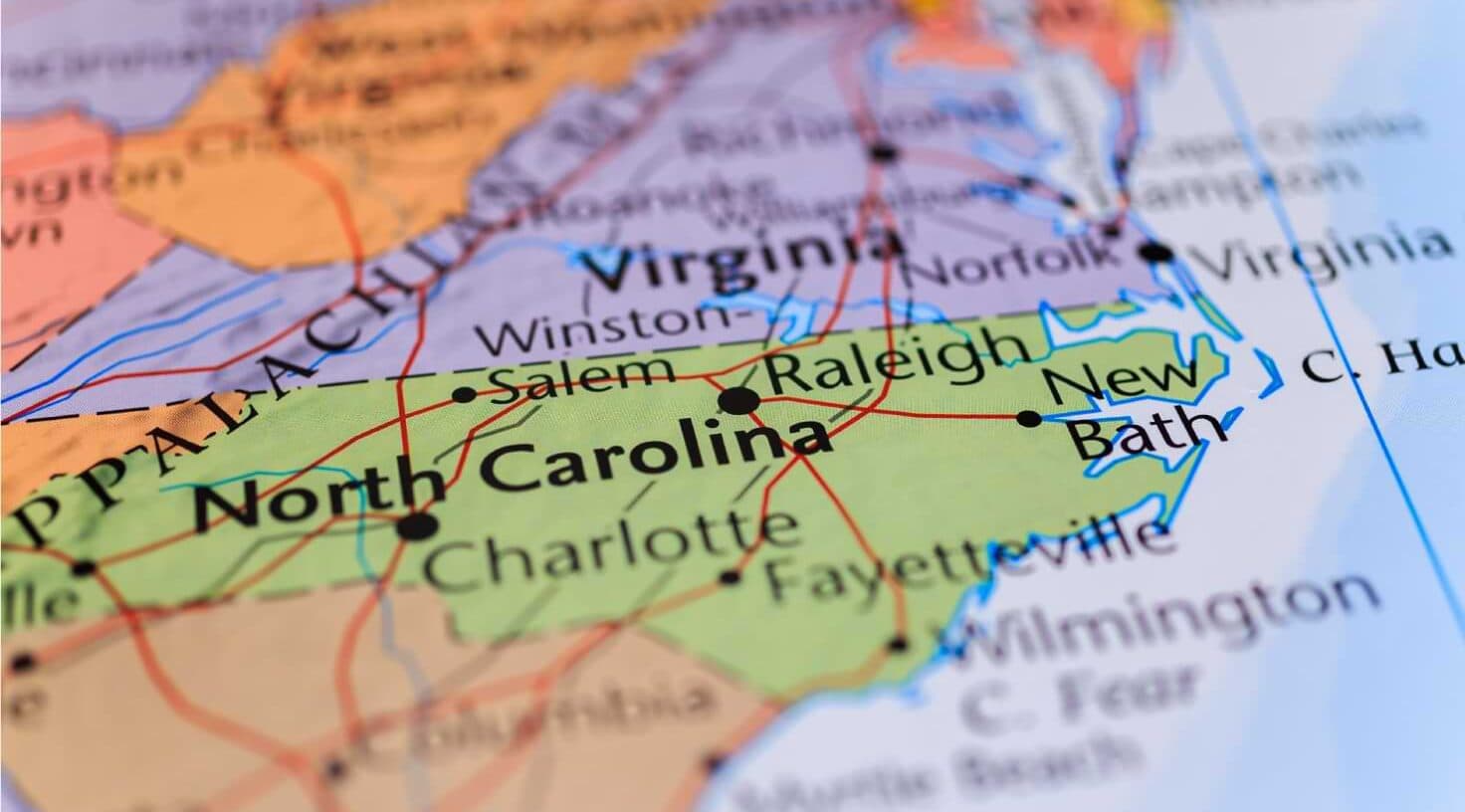
Looking to become a certified locksmith? Use our interactive map to find locksmith schools near you. Whether you're just starting out or advancing your career, this tool helps you discover the right program—fast.

Total Cost Of Getting Your Locksmith License In North Carolina

How to Stay Safe as a Locksmith?

Whether you’re an owner or employee, staying safe is essential. Start with getting the right locksmith tools to avoid injuries.

Next, invest in proper tool belts and bags that suit your tasks and body to reduce strain.

Lastly, use technology like Workiz's Locksmith Scheduling and Management Software for inventory and job tracking. Being prepared reduces risk and improves profitability.

Next time you’re on site, try Workiz for free!

Where can I find information about Locksmith licenses in other states?

Frequently asked questions

  • To obtain a locksmith license in North Carolina, you must meet the North Carolina Locksmith Licensing Board (NCLLB) requirements, complete the licensing examination, pass the required background screening, and submit your application.

    • Gather your application, recent photograph, training certificates (if applicable), and required identification or residency documents.

    • Submit the required criminal history information and authorization forms.

    • Review the NCLLB examination schedule and prepare using the available study materials.

    • Provide the required documentation and pay the applicable fees.

    For current application forms and licensing instructions, visit the North Carolina Locksmith Licensing Board.

  • A criminal record does not necessarily result in automatic denial of a North Carolina locksmith license, because the licensing board considers the nature and circumstances of an applicant's history.

    • Disclose required information: Complete criminal history and authorization forms accurately.

    • Review potential concerns: Theft, embezzlement, and certain criminal convictions may serve as grounds for disqualification.

    • Prepare supporting documentation: Keep relevant court records or other requested information available.

    • Request clarification: Contact the NCLLB about how its current eligibility standards apply to your circumstances.

    The board's decision depends on applicable law and individual circumstances. Consult the NCLLB for authoritative eligibility guidance.

  • Workiz helps locksmith businesses organize service appointments, customer information, technician assignments, and job records through field service management software.

    • Schedule locksmith jobs: Coordinate emergency lockouts, lock replacements, and planned installations.

    • Manage customer records: Keep contact details and service history organized.

    • Track fieldwork: Maintain job information and coordinate technician assignments.

    • Streamline administration: Use connected operational workflows to reduce manual scheduling and recordkeeping.

    Once you have satisfied the applicable licensing requirements, explore Workiz locksmith scheduling and management software to support daily operations.