This article will serve as your roadmap to becoming a certified HVAC contractor in Louisiana. We'll cover how to get an HVAC license in Louisiana, the application process, testing details, reciprocity options with other states, and tips for maintaining your license. Let's dive in and set you on the path to a successful HVAC career in Louisiana!
Why an HVAC license matters in Louisiana
In Louisiana, working as an HVAC contractor without a proper Louisiana HVAC contractor license is illegal and can result in hefty fines, legal action, or damage to your professional reputation. Licensing ensures that HVAC professionals have the skills and knowledge to install, maintain, and repair systems safely and efficiently, protecting both consumers and businesses.
A license also boosts your credibility, allowing you to bid on larger projects, secure insurance, and attract more clients. Whether you're an independent contractor or part of a larger company, holding an HVAC contractor license Louisiana is non-negotiable for legal and professional success.
Louisiana HVAC license requirements
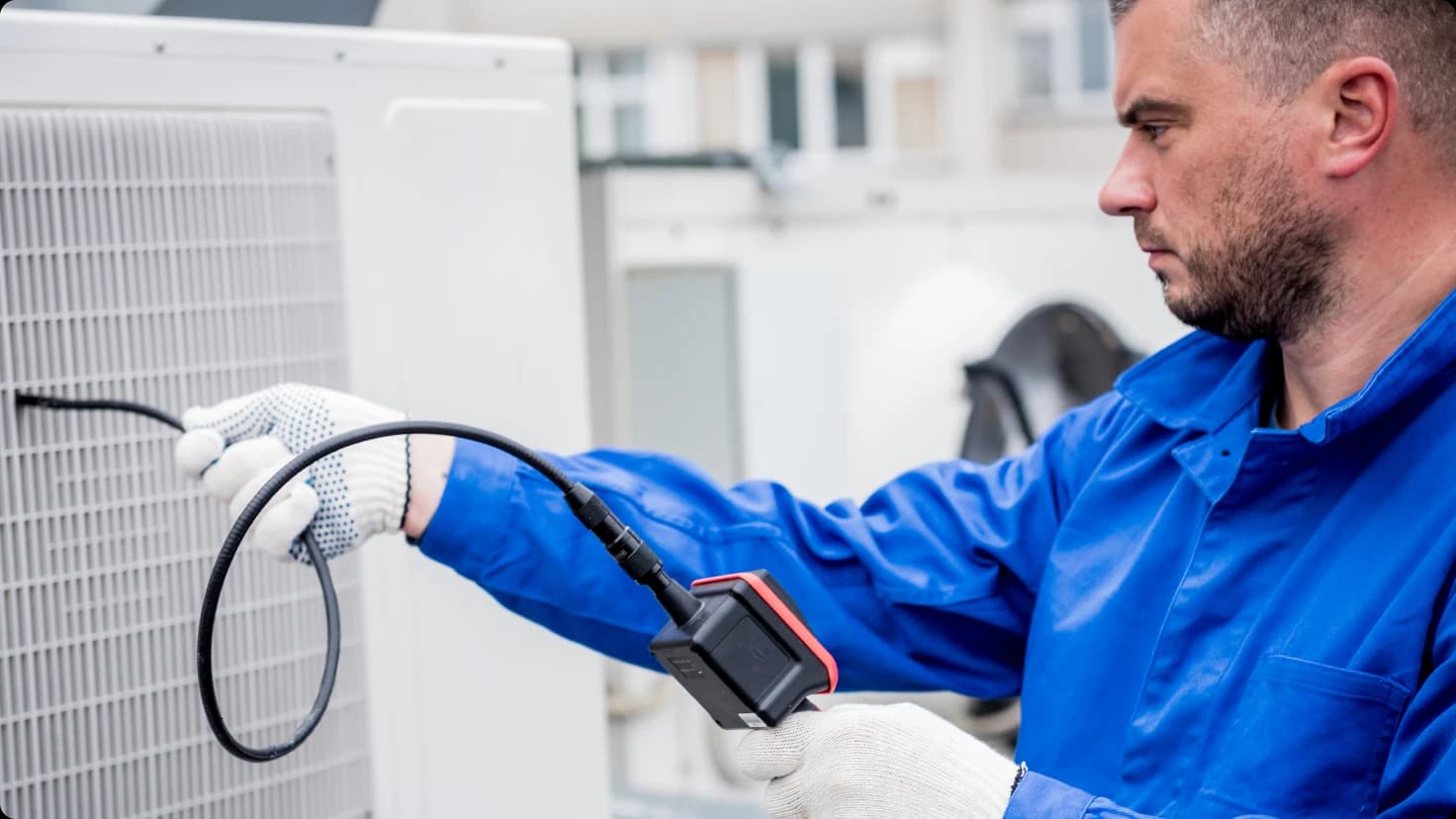
Before applying for an HVAC license and certification in Louisiana, you must meet specific prerequisites set by the Louisiana State Licensing Board for Contractors (LSLBC). These requirements are designed to ensure that applicants have the necessary experience and knowledge to perform HVAC work competently. Below, we break down the key Louisiana HVAC contractor license requirements.
Types of HVAC licenses in Louisiana
Louisiana offers different classifications under the HVAC category, primarily falling under the "Mechanical" specialty. The most common license for HVAC professionals is for commercial and residential work involving heating, ventilation, air conditioning, and refrigeration systems. Depending on the scope of your work, you may need a:
Commercial Mechanical License: Required for projects over $50,000.
Residential Mechanical License: Needed for residential work costing more than $7,500 but less than $50,000.
Eligibility Criteria for a Louisiana HVAC License
To qualify for a Louisiana HVAC license, candidates must meet the following criteria as outlined by the LSLBC:
Be at least 18 years old.
Have a valid Social Security Number or tax ID.
Provide proof of financial stability (financial statements or net worth documentation may be required).
Pass the required Louisiana HVAC license test for your specific classification.
Submit to a background check if requested by the board.
For a detailed list of eligibility requirements, visit the official LSLBC website at https://lslbc.louisiana.gov/.
Experience and education requirements
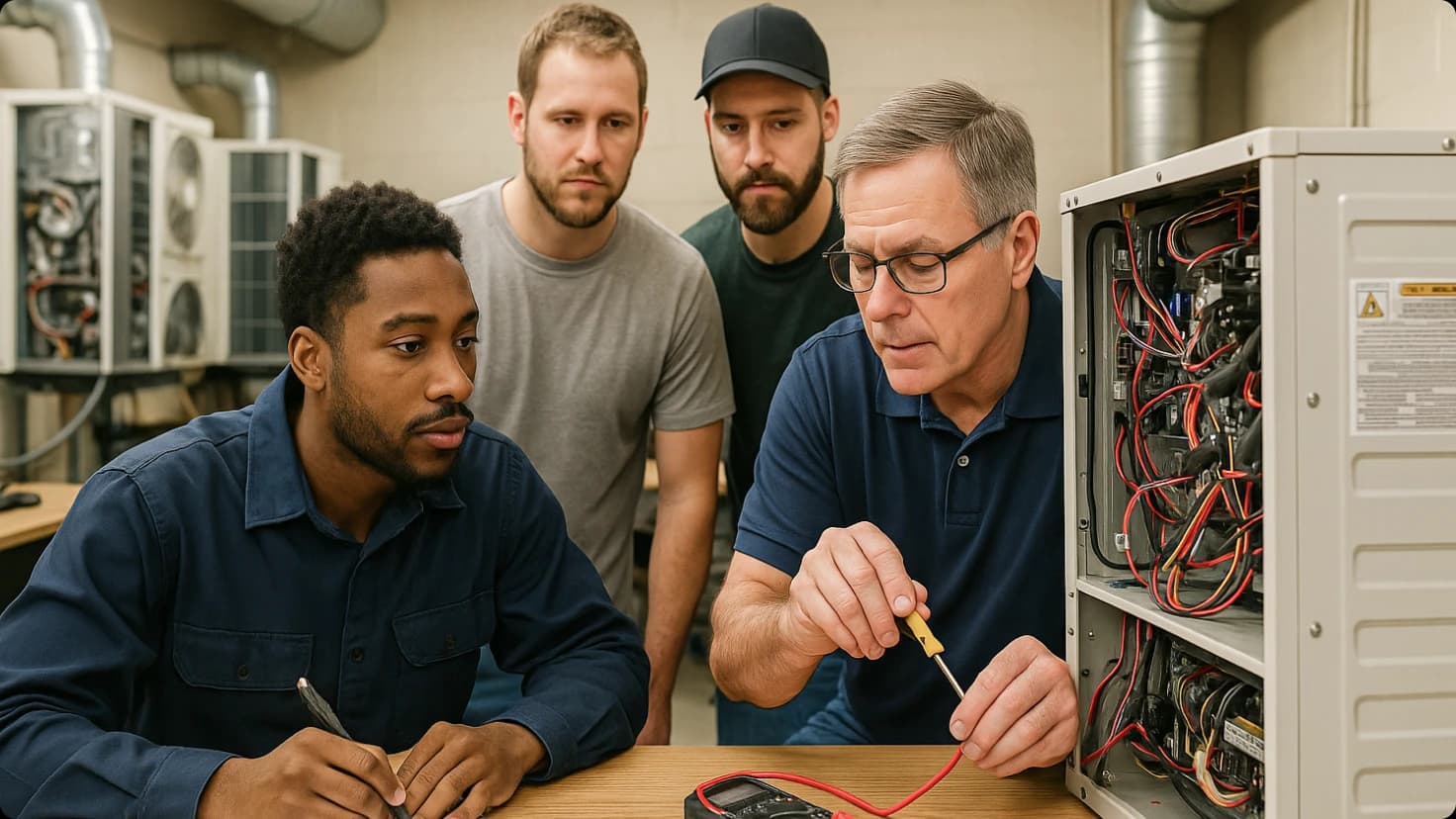
While Louisiana does not mandate a specific number of years of experience or formal education for an HVAC license, having hands-on training or completing an apprenticeship program is highly recommended. Many applicants complete vocational training or associate degree programs in HVAC technology to prepare for the licensing exam and gain practical skills.
How to get an HVAC license in Louisiana
Now that you understand the Louisiana HVAC license requirements, let's walk through the step-by-step process of obtaining your certification. From preparing for the exam to submitting your Louisiana HVAC license application, here's what you need to do:
Step 1: determine the right license classification
Identify whether you need a commercial, residential, or combined HVAC license based on the type of work you plan to perform. This will dictate the specific exams and requirements you must meet.
Step 2: prepare for the Louisiana HVAC license test
The Louisiana HVAC license test is administered by third-party providers approved by the LSLBC, such as PSI Exams. The exam covers topics like:
HVAC system design and installation.
Refrigeration principles.
State-specific laws and regulations.
Business and financial management for contractors.
Study materials can often be found through the LSLBC website or PSI's candidate information bulletins. Many candidates also enroll in preparatory courses to increase their chances of passing.
Step 3: submit your Louisiana HVAC license application
Once you've passed the exam, you must complete the Louisiana HVAC license application through the LSLBC. The application requires:
Personal identification and business information.
Exam passing certificate.
Financial statements or proof of bonding/insurance (if applicable).
Application fee (varies by license type; typically between $100-$300).
You can download the application form directly from the LSLBC website at https://lslbc.louisiana.gov/forms/.
Step 4: await approval and receive your license
After submitting your application, the LSLBC will review your materials and approve your license if all requirements are met. Processing times vary, but you can check the status of your application online through the board's portal.
Louisiana HVAC license reciprocity
If you already hold an HVAC license in another state, you might be eligible for Louisiana HVAC license reciprocity. Reciprocity allows out-of-state contractors to apply for a Louisiana license without repeating the full examination process, provided their home state has a reciprocity agreement with Louisiana.
States with reciprocity agreements
Louisiana currently has reciprocity agreements with several states for contractor licenses, including HVAC specialties. These states include:
Alabama
Arkansas
Mississippi
Tennessee
However, reciprocity terms vary, and you may still need to pass a Louisiana-specific business law exam or submit additional documentation. Check the LSLBC website for the most up-to-date information on reciprocity agreements at https://lslbc.louisiana.gov/contractors/.
Applying for reciprocity
To apply for a Louisiana HVAC contractor license via reciprocity, follow these steps:
Verify that your current state license is active and in good standing.
Submit a reciprocity application to the LSLBC, along with proof of your out-of-state license.
Pay the associated fees and provide any additional documentation, such as financial statements.
Complete a Louisiana-specific exam if required by the board.
Maintaining and renewing your HVAC license in Louisiana
Once you've obtained your HVAC license Louisiana, maintaining compliance with state regulations is crucial to avoid penalties or license suspension. Here's what you need to know about renewals and ongoing requirements.
License renewal process
HVAC contractor licenses in Louisiana must be renewed annually. The renewal process includes:
Submitting a renewal application to the LSLBC.
Paying the renewal fee (amounts vary based on license type).
Providing updated financial or insurance information if requested.
Renewal reminders are typically sent by the board, but it's your responsibility to ensure timely submission. Late renewals may incur additional fees or result in license deactivation.
Continuing rducation and compliance
While Louisiana does not currently mandate continuing education (CE) for HVAC contractors, staying updated on industry trends, safety standards, and state laws is highly recommended. Some professionals opt for voluntary CE courses to maintain competitiveness and enhance their skills.
Additionally, you must comply with local codes, maintain proper insurance coverage, and report any changes in business status to the LSLBC to keep your license in good standing.

Costs and fees for a Louisiana HVAC license
Applying for and maintaining a Louisiana HVAC contractor license involves various costs. Below is a breakdown of common fees associated with the licensing process:
Fee Type | Approximate Cost |
|---|---|
Application Fee | $100 – $300 |
Exam Fee (via PSI or other providers) | $100 – $200 per exam |
Renewal Fee | $50 – $150 annually |
Late Renewal Penalty | Varies (typically $50+) |
Note: Fees are subject to change, so always confirm current rates on the LSLBC website or by contacting the board directly.
Additional Resources for HVAC Professionals in Louisiana
For more information and support during your licensing journey, consider exploring these resources:
Louisiana State Licensing Board for Contractors (LSLBC): The official source for licensing information and applications. Visit https://lslbc.louisiana.gov/.
PSI Exams: The provider of Louisiana contractor exams, including HVAC tests. Check https://www.psiexams.com/ for schedules and study materials.
Louisiana Workforce Commission: Offers resources for vocational training and apprenticeships in HVAC. See https://www.laworks.net/.
Best HVAC Books for Technicians: Stay sharp and expand your knowledge with this curated reading list. Check it out here.
Running an HVAC business comes with its fair share of challenges. Learn how to overcome the 5 most common issues HVAC companies face and position your business for long-term success. If you're serious about becoming a more professional, organized HVAC business owner and want to simplify your billing process, consider trying this free HVAC invoice template. It's a quick, hassle-free way to create accurate, branded invoices in minutes.