Why get an HVAC license in Oklahoma?
In Oklahoma, working in the HVAC industry without a proper license is illegal for most professional roles. The state mandates licensing to ensure that professionals meet safety standards, possess adequate knowledge, and deliver quality services to protect public health and property. Beyond legal compliance, having an HVAC license in Oklahoma offers several benefits:
Credibility
A license demonstrates your competence and professionalism to clients and employers.
Career opportunities
Licensed professionals often access better job prospects and higher pay.
Business ownership
If you aspire to start your own HVAC business, a contractor license is essential.
Consumer trust
Clients are more likely to hire licensed technicians who adhere to state regulations.
With this in mind, let's explore the specific requirements and steps to obtain your license.
Data from general BLS and OESC trends
adjusted for 2025 context, and avoids company-specific references.
Benefit | Statistic | Experience Level | Details |
|---|---|---|---|
Credibility | Licensed pros earn 10-20% more than unlicensed | Entry-Level | Starting salary ~$45,000-$50,000 annually with license. |
Mid-Level | Median wage ~$51,860 (BLS 2023, 2025 adjusted) with 3-5 years experience. | ||
Senior/Contractor | Up to $60,000-$85,000+ with 6+ years and business ownership. | ||
Career Opportunities | 560 job openings yearly in OK through 2032 | Entry-Level | High demand for new technicians due to 23,000 U.S. worker shortfall annually. |
Mid-Level | 8% job growth (2022-2032) in OK, outpacing national 6% (OESC/BLS). | ||
Senior/Contractor | 60% of supervisory roles held by licensed contractors (CIB estimate). | ||
Consumer Trust | N/A (Qualitative benefit) | All Levels | Licensed techs are preferred; ties to safety and code compliance. |
Business Ownership | Contractors oversee $50K-$100K projects | Senior/Contractor | 30% market growth in commercial HVAC (state trend estimate). |
HVAC Career Benefits by experience level
Types of HVAC licenses in Oklahoma
The state of Oklahoma, through the Construction Industries Board (CIB), oversees HVAC licensing and categorizes them primarily into two levels based on the scope of work: technician and contractor licenses. Understanding which license aligns with your career goals is critical before beginning the process of how to get an HVAC license in Oklahoma.
1. HVAC technician license (Journeyman)
This license is for individuals who install, maintain, and repair HVAC systems under the supervision of a licensed contractor. It requires a combination of education and hands-on experience but does not allow you to run your own business or pull permits independently.
2. HVAC contractor license
This license is for professionals who want to operate their own HVAC business or oversee projects. Contractors are responsible for obtaining permits, managing jobs, and ensuring compliance with state codes. This license requires additional experience and often a business and law exam.
Both levels may have specific endorsements or categories (like refrigeration or sheet metal) depending on your specialty. Check with the CIB for the exact classifications available.
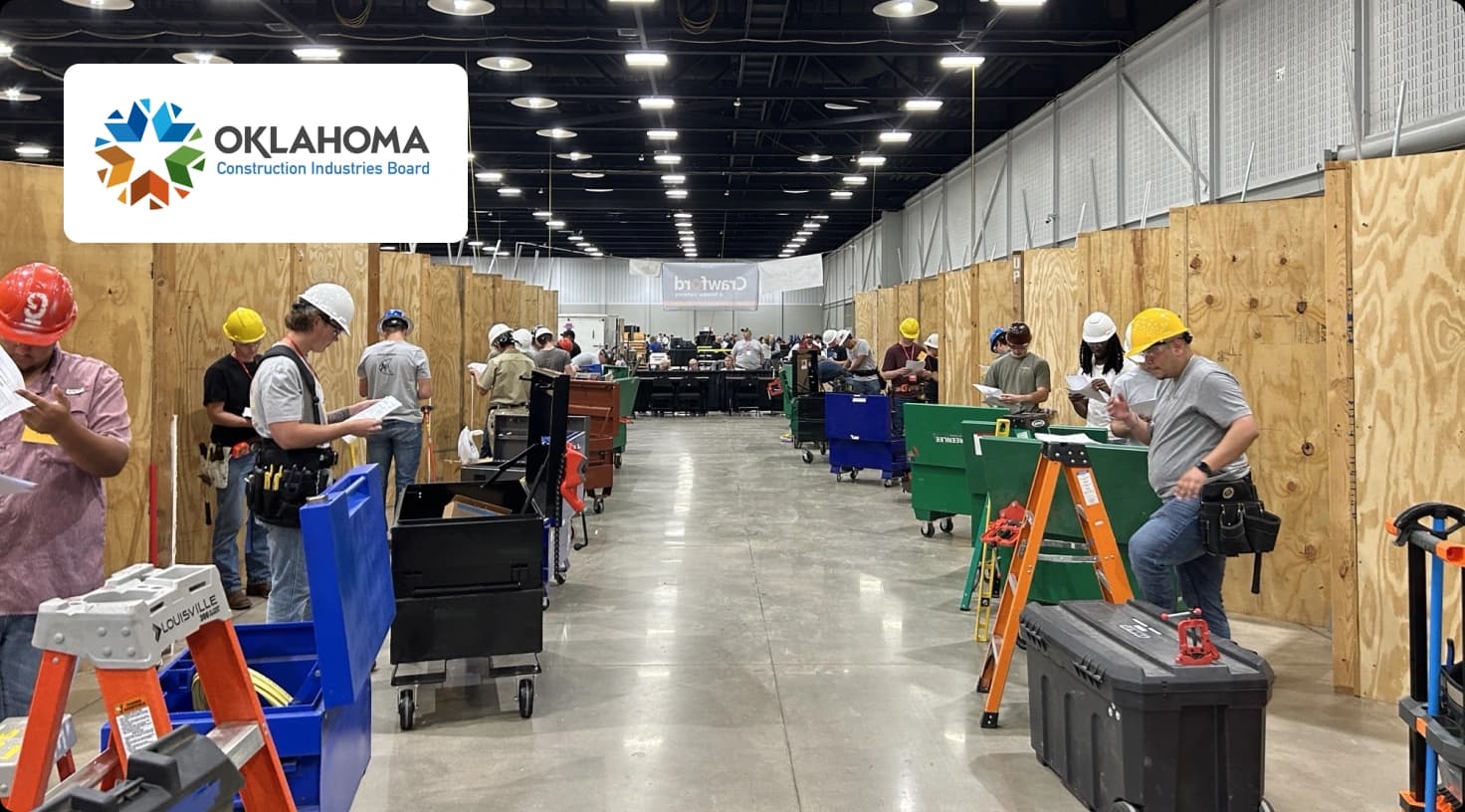
Oklahoma SkillsUSA competition
Requirements for getting an HVAC license in Oklahoma
To obtain an HVAC license in Oklahoma, you must fulfill specific requirements related to education, experience, and examinations. The requirements vary slightly depending on whether you're pursuing a technician or contractor license. Below is a detailed breakdown of what you need to qualify.
Education requirements
While a high school diploma or GED is the minimum educational requirement, most applicants benefit from formal training programs. Oklahoma offers several pathways to gain the necessary knowledge:
Vocational Schools and Community Colleges: Enroll in HVAC programs that cover fundamentals like system design, installation, and repair. Schools like Tulsa Tech and Oklahoma City Community College offer relevant courses.
Apprenticeships: Many choose to learn through on-the-job training under a licensed contractor, often paired with classroom instruction.
Formal education typically takes 6 months to 2 years to complete, depending on the program.
Work experience requirements
Hands-on experience is a cornerstone of HVAC license and certification in Oklahoma. The state requires:
License Type | Experience Required |
|---|---|
Journeyman (Technician) | 3 years (or 6,000 hours) of verifiable work experience under a licensed contractor, or a combination of education and experience. |
Contractor | 3 years of experience as a journeyman or equivalent, plus additional documentation for business operation. |
Examination requirements
After meeting the education and experience criteria, you must pass a state-approved exam. The exams are administered through testing providers like PSI Exams, under the oversight of the CIB. They test your knowledge of HVAC systems, safety protocols, and state-specific codes.
Journeyman Exam: Focuses on technical skills, system troubleshooting, and installation practices.
Contractor Exam: Includes technical questions plus a section on business and law to ensure you understand contracts, liability, and regulations.
For more details on exam content and scheduling, visit the CIB HVACR Licensing Page.
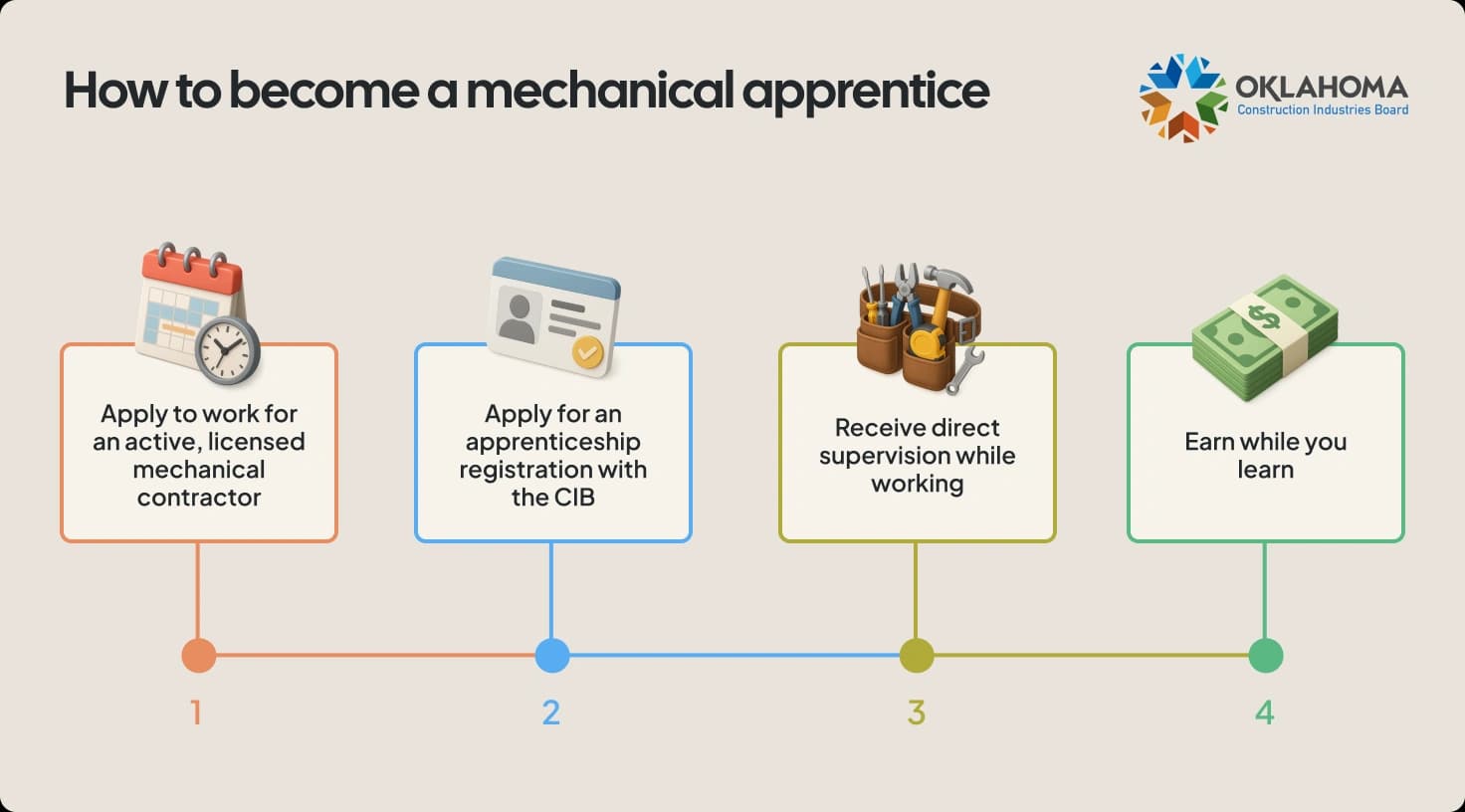
Step-by-step guide to getting your HVAC license in Oklahoma
Once you've met the initial requirements, the next step is navigating the application process. Here's a clear roadmap for how to get an HVAC license in Oklahoma, ensuring you don't miss any critical steps.
Step 1: Complete education and training
Enroll in a recognized HVAC program or start an apprenticeship to gain the necessary skills. Keep records of your coursework and training hours, as you'll need to submit proof during the application process.
Step 2: Gain required work experience
Work under a licensed contractor to accumulate the required hours. Ensure your supervisor verifies your experience in writing, as the Oklahoma Construction Industries Board (CIB) requires documentation.
Step 3: Register for the licensing exam
Contact PSI Exams or refer to the CIB website to schedule your test. Pay the associated fees (typically around $50–$100 per exam, though costs may vary) and study using state-approved materials or prep courses.
Step 4: Submit your application to the CIB
Complete the application form available on the CIB website. You'll need to include:
Proof of education and experience.
Passing exam scores.
Application fee (varies by license type).
Background check (if required for contractors).
For contractors, additional requirements like proof of insurance or bonding may apply.
Step 5: Receive your license
Once your application is approved, the CIB will issue your license. This process can take a few weeks, so plan accordingly. Your license must be renewed periodically (typically every 3 years) with continuing education credits. Visit the CIB licensing page for renewal details.
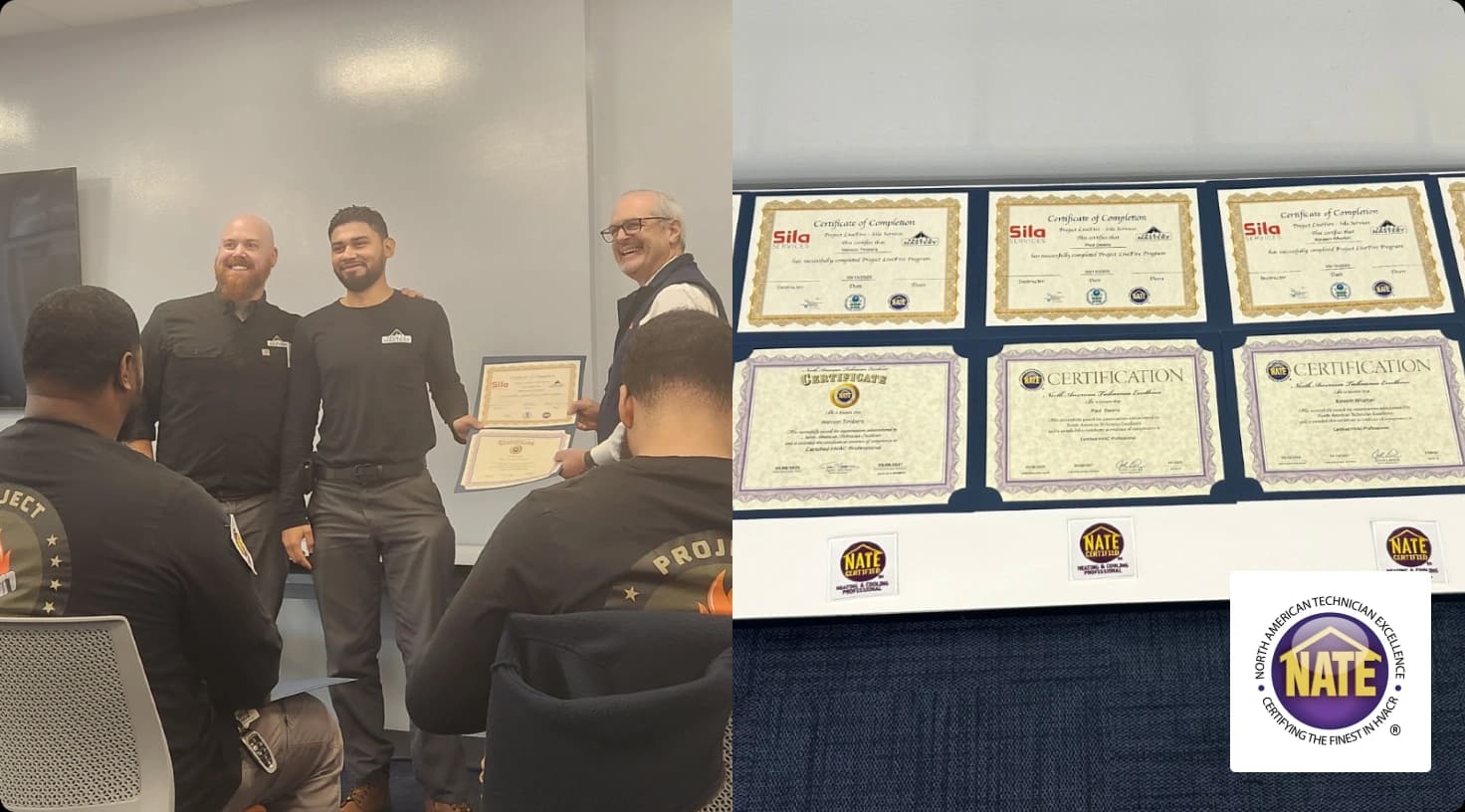
NATE graduation ceremony in Pennsylvania
Additional certifications for HVAC professionals in Oklahoma
While an HVAC license in Oklahoma is mandatory for most work, optional certifications can enhance your skills and marketability. These are often offered by national organizations and are recognized by employers and clients alike.

EPA Section 608 Certification
Required for technicians handling refrigerants, this certification ensures compliance with federal environmental regulations. It's a must-have for most HVAC roles and involves passing an exam on refrigerant handling and safety.

NATE Certification
The North American Technician Excellence (NATE) certification is a widely respected credential that demonstrates advanced expertise in specific HVAC areas, such as installation or service. It's not required but can boost your career prospects.
For more information on these certifications, explore resources at EPA Section 608 and NATE.
Costs and license renewals in Oklahoma
Obtaining and maintaining an HVAC license involves several costs. Here's a summary to help you budget for HVAC license and certification in Oklahoma.
Expense | Approximate Cost |
|---|---|
Education/Training Program | $1,000–$5,000 (varies by program) |
Exam Fees | $50–$100 per attempt |
Application Fee | $50–$200 (depends on license type) |
Renewal Fee | $50–$150 every 3 years |
Licenses must be renewed every 3 years, and renewal often requires completing continuing education (CE) hours to stay updated on industry standards and codes. Check the CIB website for approved CE providers and courses.
Tips for success in obtaining your HVAC license
The journey to becoming licensed can be challenging, but with the right approach, you can streamline the process of how to get an HVAC license in Oklahoma. Here are some practical tips:
Start Early: Begin your education and experience accumulation as soon as possible to meet requirements faster.
Study Thoroughly: Use state-approved study guides and practice exams to prepare for the licensing test.
Network: Connect with licensed contractors or join local trade associations for mentorship and job opportunities.
Stay Organized: Keep detailed records of your education, work hours, and application materials to avoid delays.
Keep Learning: Even after licensing, pursue additional certifications to stand out in a competitive market.