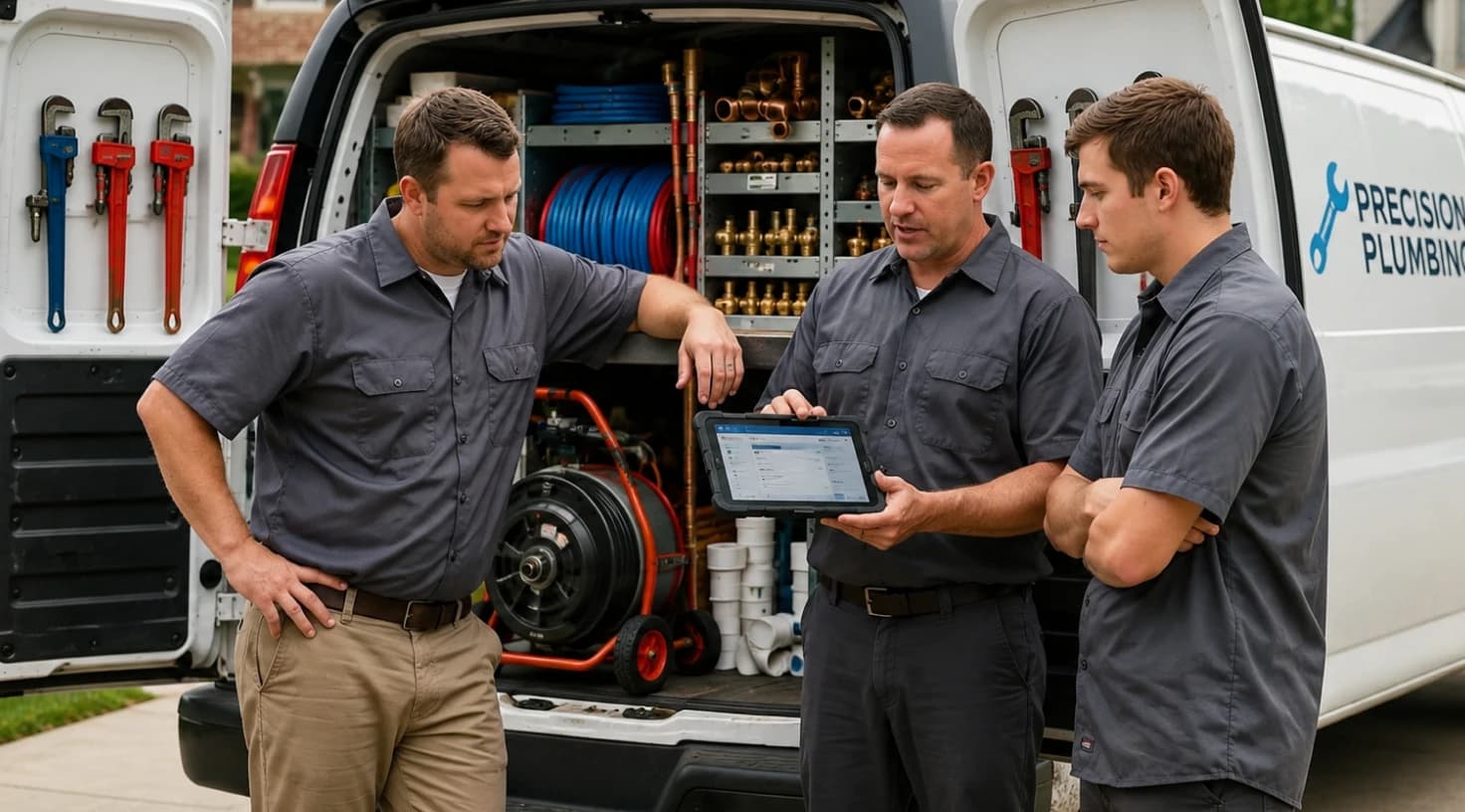

If you’re looking to build a rewarding career in plumbing in the Lone Star State, obtaining a plumber license in Texas is a critical step. Texas is known for its booming construction industry and growing demand for skilled tradespeople, making it an ideal place to pursue a career as a plumber. Whether you’re starting as an apprentice or aiming for a master plumber license in Texas, the licensing process ensures that you meet the state’s high standards for safety, competence, and professionalism.
This comprehensive guide will walk you through every step of how to get your Texas plumber license, from the initial apprentice registration to achieving journeyman and master status. We’ll cover the requirements, exams, application processes, and even how to use tools like the Texas plumber license lookup to verify credentials. With practical tips and resources, this article is designed to help you navigate the process and set yourself up for a successful plumbing career in Texas.

Overview of plumbing licenses in Texas
In Texas, the plumbing profession is regulated by the Texas State Board of Plumbing Examiners (TSBPE). The TSBPE oversees the licensing and certification of plumbers at various levels, ensuring that all professionals adhere to state laws and safety standards. There are several types of licenses and registrations available, each with its own set of requirements and responsibilities.
Streamline your plumbing operations and grow your business faster with Plumbing Software by Workiz—an all-in-one platform for scheduling, invoicing, customer management, and more.
Types of plumbing licenses and registrations
Plumber's Apprentice Registration: This is the entry-level step for anyone starting in the plumbing trade. It allows individuals to work under the supervision of a licensed plumber while gaining experience.
Tradesman Plumber-Limited License: A step up from apprentice, this license allows individuals to perform specific plumbing tasks under supervision.
Journeyman Plumber License: A journeyman plumber license in Texas signifies that you have completed the necessary training and experience to work independently on plumbing projects.
Master Plumber License: The highest level, a Texas master plumber license, qualifies you to oversee projects, hire apprentices, and run your own plumbing business.
Understanding these distinctions is key to planning your career path in plumbing. Each level builds on the last, requiring a combination of hands-on experience, education, and passing state-administered exams.
Step 1: Start as a plumber's apprentice
Every plumbing career in Texas begins with registering as a plumber's apprentice. This entry-level registration allows you to work under the direct supervision of a licensed journeyman or master plumber while learning the trade.
Apprentice registration requirements
Be at least 16 years old.
Have a high school diploma or GED (recommended, not always required).
Work under a licensed plumber who will act as your Responsible Master Plumber (RMP).
How to register as an apprentice
Find a licensed plumber willing to sponsor you as an apprentice.
Complete the Plumber's Apprentice Registration Application provided by the TSBPE.
Submit the application along with the required fee (approximately $15, though fees may vary).
Receive your registration card, which must be renewed annually.
As an apprentice, you’ll need to log a specific number of work hours (currently 8,000 hours over at least four years) under supervision to qualify for the next level, the Tradesman Plumber-Limited or Journeyman license. Keep detailed records of your hours and tasks, as they will be critical for future applications.
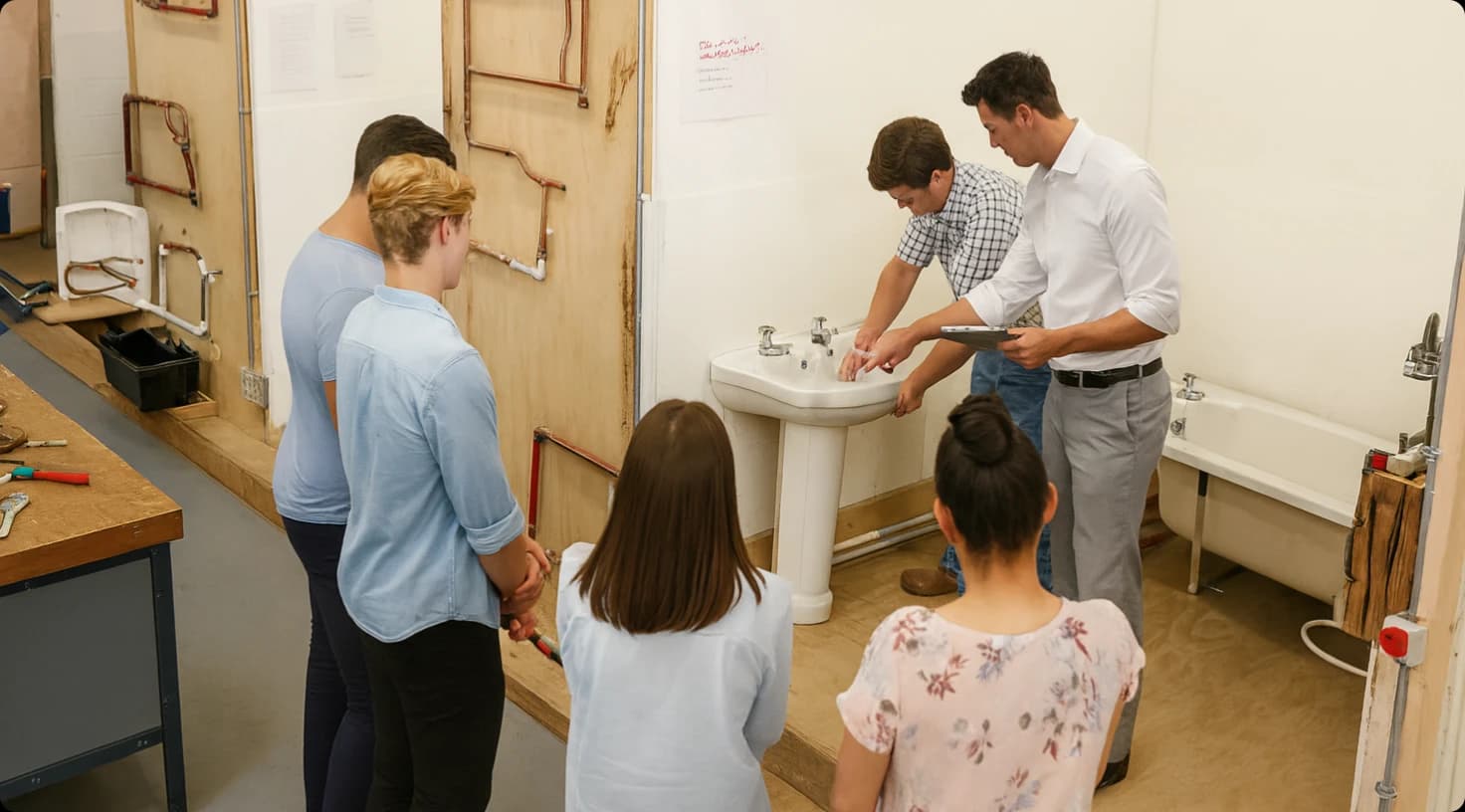
Step 2: Obtain a journeyman plumber license in Texas
After gaining sufficient experience as an apprentice, you can apply for a journeyman plumber license in Texas. This license allows you to work independently on plumbing projects and is a significant milestone in your career.
Eligibility requirements for journeyman license
Requirement | Details |
|---|---|
Work Experience | At least 8,000 hours of on-the-job training under a licensed plumber. |
Supervision | Must be supervised by a Responsible Master Plumber (RMP). |
Application | Submit a completed application to the TSBPE with the appropriate fee (around $40). |
Exam | Pass the Journeyman Plumber Exam administered by the TSBPE. |
Preparing for the journeyman exam
The Journeyman Plumber Exam tests your knowledge of plumbing codes, safety protocols, and practical skills. To prepare:
Study the Texas Plumbing License Law and Rules.
Review the International Plumbing Code (IPC) and local amendments.
Use study guides and practice tests available through the TSBPE or third-party resources.
Attend exam preparation courses if needed, offered by vocational schools or trade organizations.
Passing the exam and obtaining your journeyman license opens up more job opportunities and the ability to work without direct supervision. You'll also be one step closer to achieving a master plumber license in Texas.
Step 3: Advance to a master plumber license in Texas
For those aiming to reach the pinnacle of the plumbing profession, obtaining a Texas master plumber license is the ultimate goal. This license allows you to oversee large projects, train apprentices, and even start your own plumbing business.
Eligibility requirements for master license
Requirement | Details |
|---|---|
Experience as Journeyman | At least 4,000 hours of work as a licensed journeyman plumber. |
Supervision | Must have worked under a master plumber during journeyman tenure. |
Application | Submit an application to the TSBPE with the fee (approximately $175). |
Exam | Pass the Master Plumber Exam. |
Preparing for the master plumber exam
The Master Plumber Exam is more comprehensive, covering advanced plumbing concepts, business management, and legal responsibilities. Preparation tips include:
Reviewing all relevant Texas plumbing laws and codes via the TSBPE website.
Studying business and financial management topics, as master plumbers often run their own businesses.
Taking advanced training courses or workshops offered by trade schools or associations like the Plumbing-Heating-Cooling Contractors Association (PHCC).
Once you pass the exam and receive your master plumber license in Texas, you're recognized as a leader in the field with the authority to take on complex projects and mentor the next generation of plumbers.
The application process and associated fees
Applying for any level of plumbing license in Texas involves submitting documentation, fees, and, in most cases, passing an exam. Here's a general overview of the process:
Steps to apply for any plumbing license
Complete the appropriate application form available on the TSBPE website.
Submit proof of experience (logged hours, employer verification, etc.).
Pay the application and exam fees (varies by license level).
Schedule and pass the required exam if applicable.
Receive your license or registration card upon approval.
Fee structure overview
License Type | Application/Exam Fee (Approximate) |
|---|---|
Plumber's Apprentice Registration | $15 |
Tradesman Plumber-Limited | $35 |
Journeyman Plumber | $40 |
Master Plumber | $175 |
Note that fees are subject to change, so always confirm the latest amounts on the TSBPE website. Additionally, licenses must be renewed periodically (usually every three years), which may involve continuing education and additional fees.

Using the Texas plumber license lookup tool
Whether you're a customer verifying a plumber's credentials or a professional ensuring your license is active, the Texas plumber license lookup tool is an invaluable resource. The TSBPE provides an online database to check the status of any plumber's license in the state.
How to use the lookup tool
Visit the TSBPE Licensee Search page.
Enter the plumber's name, license number, or other identifying information.
Review the results to confirm the license type, status, and expiration date.
This tool is especially useful for employers, clients, and plumbers themselves to ensure compliance with Texas regulations. Always keep your license active and up-to-date to avoid penalties or work interruptions.
In addition to staying compliant, running a successful plumbing business means mastering the financial side too. Learn how to confidently set your rates with our guide on how to price your plumbing jobs, and get step-by-step instructions on how to write a plumbing invoice that looks professional, helps you get paid on time, and keeps your paperwork in order.
Tips for success and staying compliant
Obtaining a plumbing license is just the beginning. To thrive in the industry and maintain your credentials, consider the following tips:
Continuing education and skill development
Participate in continuing education courses to stay updated on plumbing codes and technologies. The TSBPE requires continuing education for license renewals.
Join professional organizations like the Associated Plumbing-Heating-Cooling Contractors of Texas for networking and training opportunities.
Compliance with Texas regulations
Always adhere to the Texas Plumbing License Law and local codes to avoid fines or license suspension.
Renew your license on time and submit any required documentation or fees promptly.
Growing your career
Consider specializing in areas like green plumbing or medical gas systems for higher demand and pay.
If you hold a Texas master plumber license, explore starting your own business to maximize earnings and autonomy.
To help streamline your operations from day one, use our free Plumbing Invoice Template to create professional, ready-to-send invoices and get paid faster.