
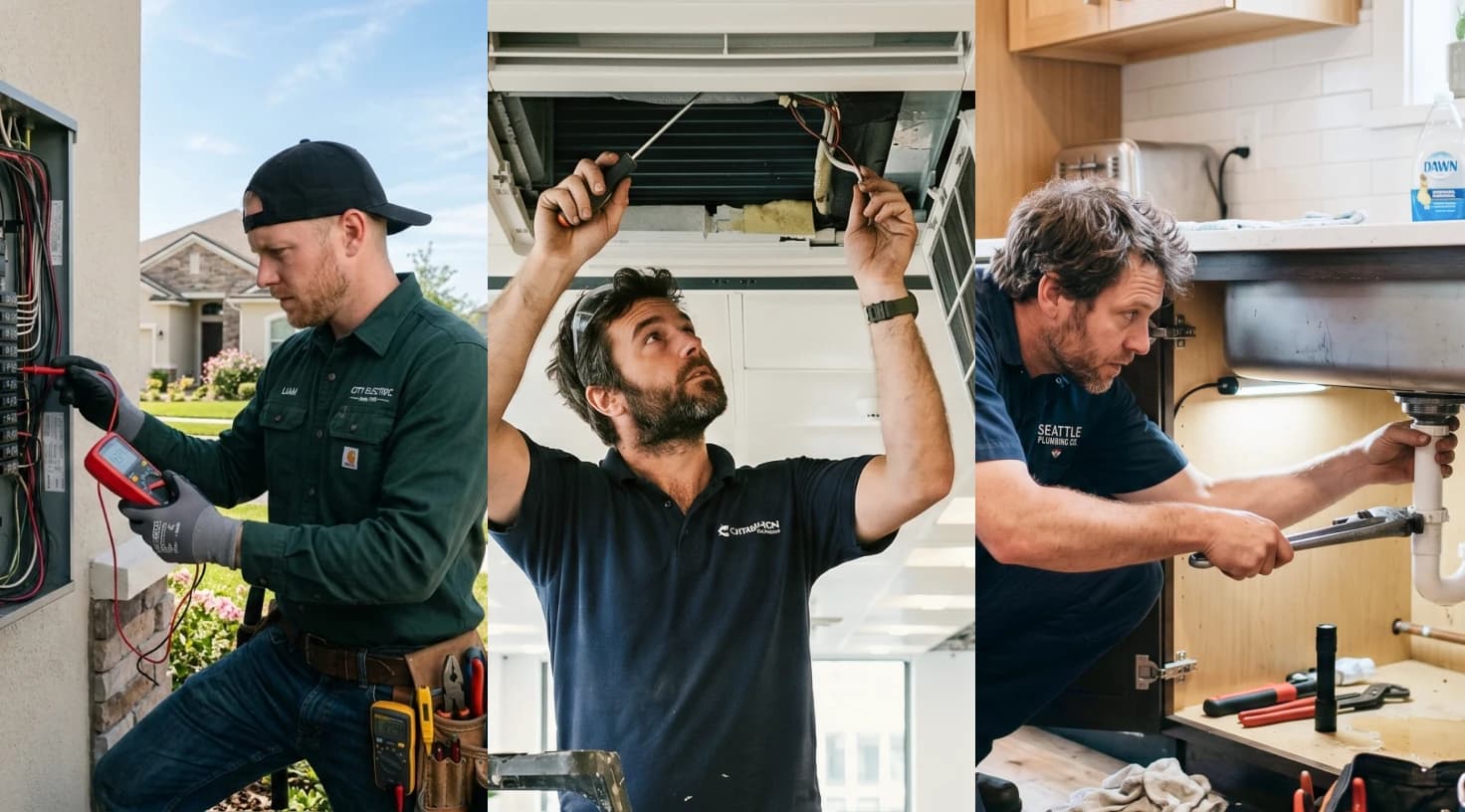
What is a field technician?
A field technician, frequently called a field service technician, is a professional who provides on-site technical support. Specifically, these experts travel to customer locations to diagnose and fix issues directly where they occur. They typically work in residential homes, corporate offices, or industrial factories.
This versatile role is essential in several key industries. For example, field technicians drive operations in telecommunications, IT, HVAC, and renewable energy sectors. Consequently, no two workdays are exactly alike, so technicians must remain highly adaptable.
Field technicians often work independently or in small teams to make quick, expert decisions. Furthermore, the U.S. Bureau of Labor Statistics (BLS) projects a 4% growth in these occupations through 2032. Overall, this demand stems from the increasing complexity of modern infrastructure and technology.
Types of field technicians
Field technicians operate across diverse sectors, and each industry requires a specific set of skills and technical knowledge. Additionally, while their core mission of on-site service remains the same, their daily tasks vary significantly depending on the equipment they handle. Specifically, most professionals specialize in high-demand residential and commercial services.
Below are the most common types of field technicians that keep modern infrastructure and homes running smoothly:
Key responsibilities of a field technician
Field technicians handle a broad spectrum of duties to ensure systems operate reliably. Consequently, their primary goal is to minimize client disruptions while adhering to strict safety protocols. We have categorized their core responsibilities below for better clarity.
1. Installation and setup
Installing new equipment is a foundational task for any technician. Specifically, this process includes several critical steps:
Assessing the site for technical requirements.
Unpacking and configuring specialized devices.
Integrating new hardware into existing systems.
For instance, a telecom technician might install broadband routers for a new office. They ensure all cabling is compatible with the client's existing network infrastructure.
2. Diagnosis and troubleshooting
When systems fail, field technicians use diagnostic tools to pinpoint problems. This requires a systematic approach. First, they gather information from the user. Next, they run diagnostic tests to isolate specific faults. Safety remains paramount during this process, especially in high-risk environments like electrical repair sites.
3. Maintenance and repairs
Routine maintenance prevents costly breakdowns, while repairs restore essential functionality. Additionally, technicians perform the following tasks:
Replacing faulty or worn-out parts.
Calibrating complex systems for peak performance.
Implementing software or hardware upgrades.
Documentation is a key part of this stage. Technicians must log all work for warranty purposes and future reference.
4. Customer Interaction and Education
Beyond technical fixes, field technicians act as the face of the company. They communicate with clients and explain complex issues in simple terms. Furthermore, they provide practical tips to help customers avoid future problems. Building this rapport fosters long-term trust and repeat business.
Core responsibilities overview
Responsibility | Description | Example |
Installation | Setting up new hardware or systems | Configuring a security camera system in a retail store |
Troubleshooting | Identifying root causes of malfunctions | Testing network cables for signal loss |
Maintenance | Preventive checks and part replacements | Cleaning HVAC filters quarterly |
Repairs | Fixing broken components | Replacing a blown fuse in an electrical panel |
Documentation | Recording work updates | Updating tickets in a management system |
Daily tasks and routines
A field technician's day begins with preparation. Specifically, they review schedules, load tools into a service vehicle, and check for updates from the dispatch team. Mornings often involve traveling to the first job site, which could be across town or in a rural area. Tasks vary by industry but typically include site assessments, hands-on work, and post-job reporting.
Afternoons might bring urgent calls that require quick prioritization. Additionally, evenings are for administrative duties like invoicing or inventory checks. Flexibility is essential because weather, traffic, or unexpected complications can extend shifts. On average, field technicians log 40-50 hours weekly, with common overtime during peak seasons.
Typical day in the life of a field technician
7:00 AM - Start of Shift: Arrive at the depot, review job queue via mobile app.
8:00 AM - First Call: Travel to site, greet client, assess issue.
9:00 AM - Diagnosis: Use tools to test and troubleshoot.
11:00 AM - Repair: Implement fixes, test functionality.
12:00 PM - Lunch and Travel: Quick break en route to next site.
1:00 PM - Follow-Up: Second job, possibly maintenance.
4:00 PM - Wrap-Up: Document work, update records.
5:00 PM - End of Day: Return vehicle, report to supervisor.
Required skills and qualifications
To deliver high-quality service, technicians must balance technical expertise with strong interpersonal abilities. Specifically, they need to master both the hardware they fix and the way they interact with homeowners. Consequently, the most successful pros focus on the following core competencies:
Physical and certification requirements
Field technicians must handle demanding physical tasks daily. Specifically, they frequently lift equipment up to 50 lbs, climb ladders, and work in confined spaces. Additionally, a valid driver's license is mandatory for all roles to ensure timely arrival at client locations.
Professional certifications further enhance employability and ensure compliance with safety standards. For instance, requirements vary significantly across our core industries:
HVAC: Most states require the EPA 608 certification for anyone handling refrigerants safely.
Electricians: Professionals must follow the National Electrical Code (NEC) and often obtain state-specific licensing.
Plumbers & Locksmiths: These trades usually require contractor licenses and mandatory background checks, often verified through local licensing boards.
Consequently, maintaining these credentials is vital for legal compliance and career growth. Ongoing training helps technicians stay updated on the latest safety codes and smart-home technology.
Essential skills by industry
Industry | Key technical skills | Key soft skills |
HVAC | System calibration & brazing | Working in extreme temperatures |
Plumbing | Pipe fitting & leak detection | Explaining repairs to homeowners |
Garage Door | Spring tensioning & motor setup | Safety-first communication |
Locksmith | Rekeying & electronic lock coding | Patience with emergency calls |
Essential tools and equipment for field technicians
Field technicians utilize a specialized mobile toolkit tailored to their specific trade. Specifically, essential items often include multimeters for electrical testing, manifold gauges for HVAC, and diagnostic laptops. Furthermore, service vehicles usually feature custom shelving for organized storage and quick access to parts.
Common tools in the field
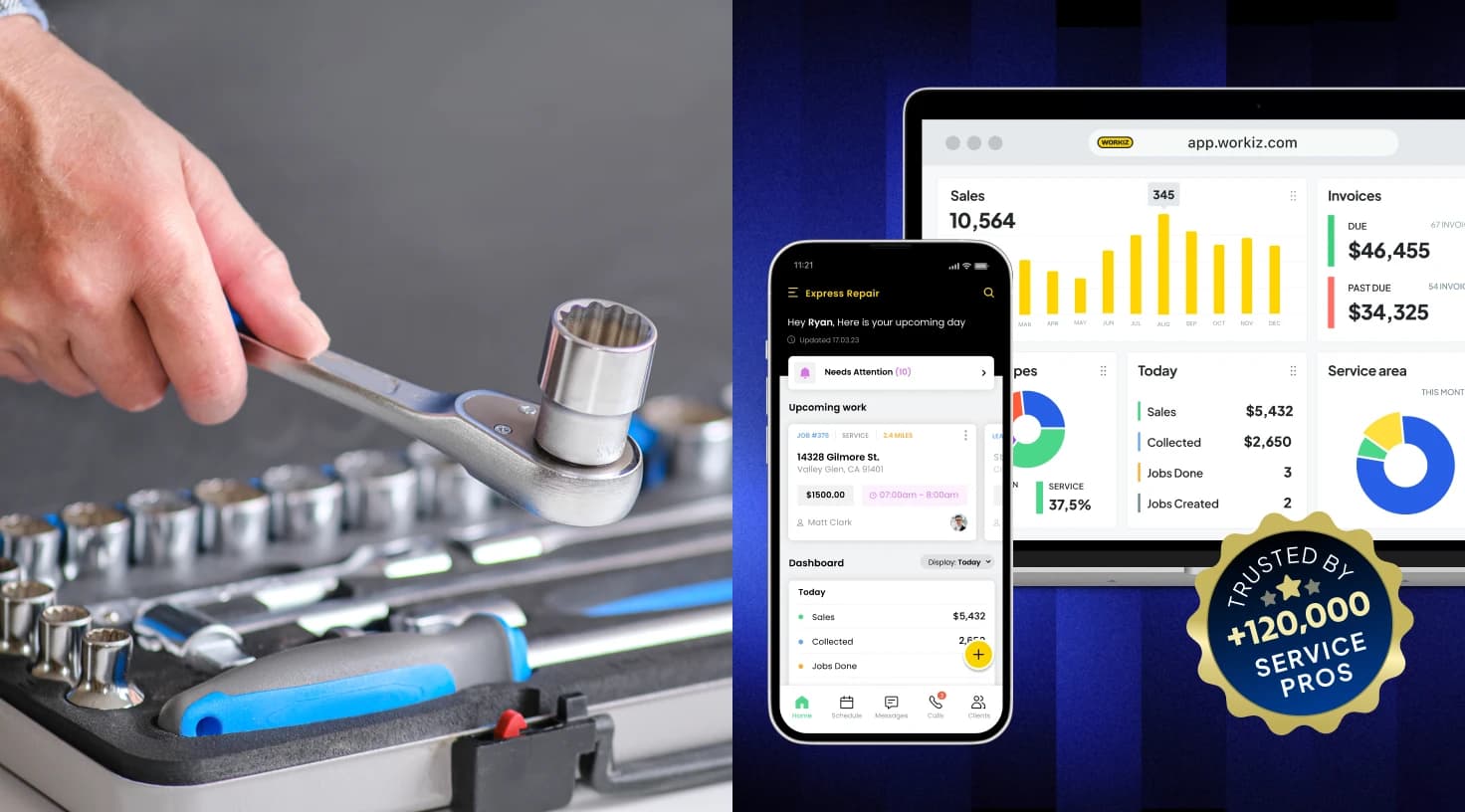
Modern field service management with Workiz
Traditional paperwork often slows down even the most skilled technicians. Consequently, modern pros integrate digital tools to manage their entire workflow from the field. Specifically, Workiz replaces manual scheduling and paper invoices with a centralized digital dashboard.
By shifting to an automated system, field technicians can focus on repairs rather than administrative tasks. For example, using Workiz allows professionals to:
Automate dispatching: View real-time schedules and optimized routes directly on a mobile device.
Get paid faster: Generate professional invoices and collect digital payments immediately after finishing a job.
Track inventory: Monitor spare parts and equipment levels in real-time to avoid unnecessary trips to the warehouse.
Enhance transparency: Share GPS arrival times and job photos with customers to build long-term trust.
Furthermore, this digital-first approach reduces human error and ensures that no service call falls through the cracks.
Industries and specializations
Field technicians operate across diverse sectors, and each industry presents unique technical challenges. Specifically, the role adapts to the specific infrastructure needs of the client. Most modern field service work focuses on residential and commercial maintenance.
Plumbing and water systems
Plumbers specialize in installing and repairing critical water infrastructure. Consequently, they handle everything from emergency leak detection to full-scale pipe replacements. This role requires a deep understanding of local building codes and advanced diagnostic tools to prevent property damage.
HVAC and mechanical services
HVAC technicians maintain complex climate control systems. Additionally, they diagnose issues like refrigerant leaks or faulty thermostats. For instance, a common scenario involves an emergency AC failure during a heatwave. A technician must quickly check system pressures, identify a clogged compressor, and restore cooling to prevent discomfort. They also ensure compliance with modern energy efficiency standards.
Garage door and locksmith services
These technicians focus on security and property access. Specifically, they handle high-tension spring repairs for garage doors or calibrate electronic smart locks for residential homes. Their work ensures both the safety and convenience of the property owner.
Electrical and renewable energy
Electrical technicians manage wiring and power distribution systems. Furthermore, many now specialize in renewable energy, such as installing solar panels or EV charging stations. This specialization contributes to global sustainability goals while requiring strict adherence to safety protocols.
Real-world field technician examples
To illustrate the impact of field technicians, consider these common scenarios drawn from everyday operations. Specifically, these examples show how technical skill ensures business continuity and safety across various trades.
Example 1: HVAC repair in a retail store
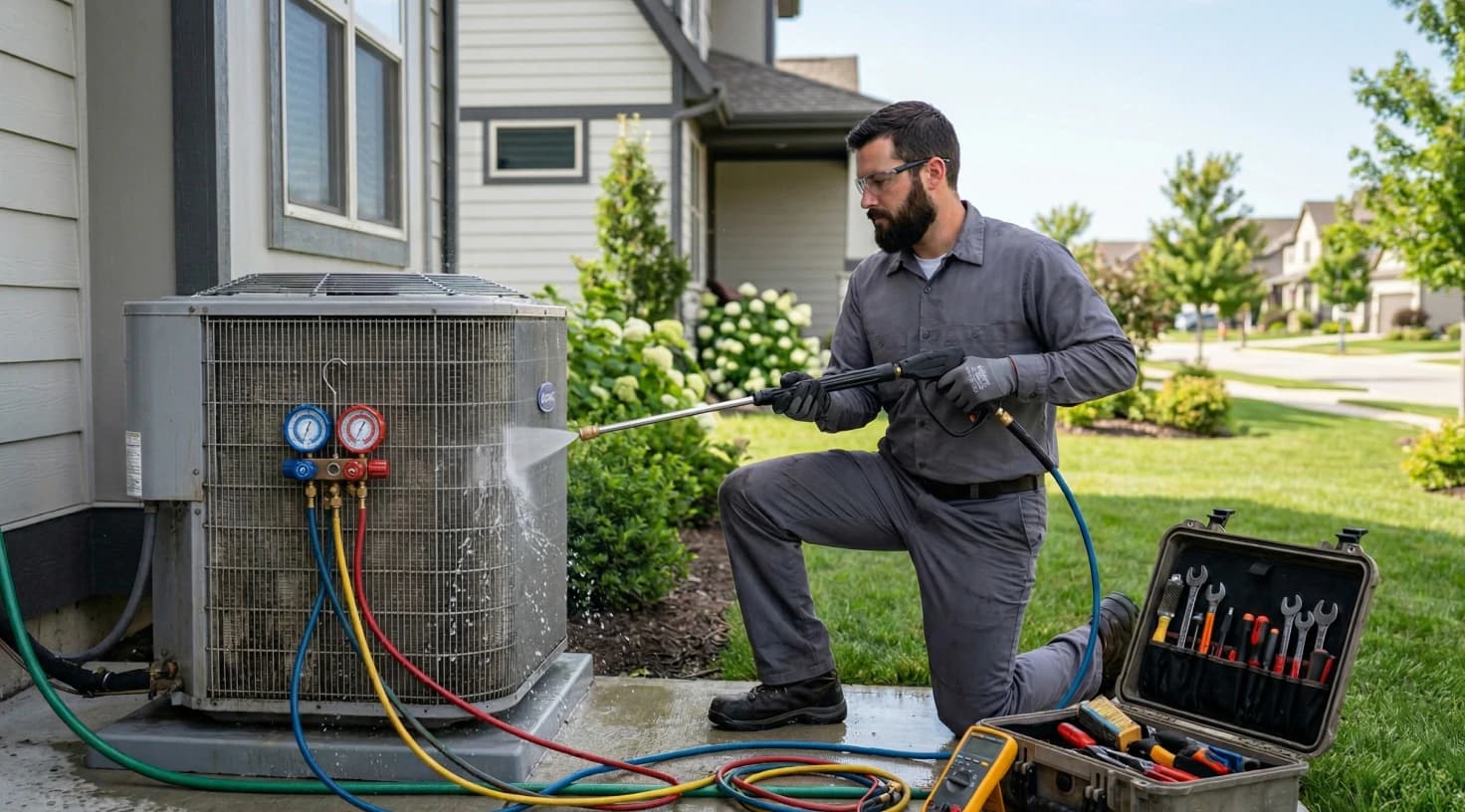
During a severe heatwave, a retail store's AC unit fails, risking inventory spoilage and customer discomfort. The field technician arrives promptly and uses a manifold gauge set to check system pressures. Specifically, they identify a clogged compressor and replace it on-site. Consequently, the system returns to full functionality within hours, preventing thousands in potential revenue loss.
Example 2: Emergency plumbing leak in a residence
A homeowner discovers a burst pipe behind a kitchen wall, threatening significant water damage. The plumbing technician uses thermal imaging to locate the exact leak without unnecessary demolition. Next, they replace the damaged section using ASTM-standard piping and install a smart leak-detection sensor. This proactive approach prevents future emergencies and builds long-term client trust.
Example 3: High-tension spring replacement (Garage door)
A homeowner's garage door suddenly snaps, leaving their vehicle trapped. The garage door technician arrives and identifies a broken torsion spring. Specifically, they use specialized winding bars to safely manage the high tension and install a heavy-duty replacement. Consequently, the door operates smoothly again, restoring the customer's mobility and safety.
Example 4: Electrical maintenance in a manufacturing plant
Routine checks reveal worn insulation on critical industrial motors. The technician shuts down power safely, following OSHA Lockout/Tagout (LOTO) procedures. Furthermore, they rewire the connections and install surge protectors to prevent future spikes. Consequently, this proactive work prevents costly equipment downtime and ensures a safe working environment.
In summary, the quick thinking and technical expertise of these professionals turn potential crises into resolved matters, ensuring operational continuity for homes and businesses alike.
Challenges and rewards of the field technician role
While rewarding, the profession presents several significant hurdles. Specifically, daily challenges include irregular hours, physical demands, and exposure to hazards. Furthermore, constant travel can lead to fatigue, requiring exceptional patience and communication skills when dealing with frustrated clients.
Despite these difficulties, the financial and personal rewards remain high. Consequently, many professionals find long-term fulfillment as they advance through their careers.
Career earnings and progression
To illustrate the long-term potential, here is how the typical career path and compensation evolve in the field service industry based on BLS data:

Career path and future outlook
A career as a field technician offers a clear and structured progression. Typically, entry-level roles start with an apprenticeship or a junior technician position. Next, by gaining hands-on experience and earning specialized certifications, professionals move into lead roles. Advanced career paths often include field service management, operations leadership, or technical engineering.
The future of the industry looks bright due to rapid technological integration. Specifically, several emerging trends are reshaping the role:
AI diagnostics: Technicians now use AI-driven tools to predict equipment failure before it happens.
Drone inspections: Drones allow for safer and faster inspections of high-voltage lines, roofs, and industrial towers.
Green energy: The rising demand for renewables—such as solar panel installation and EV charging stations—is creating thousands of new, high-paying roles.
Employers increasingly seek adaptable professionals who embrace modern tools. Consequently, continuous learning through platforms like Coursera or trade-specific seminars is essential for staying competitive. For the latest job market trends and hiring data, you can also explore Indeed's career advice.
Conclusion
Field technicians serve as vital cogs in modern infrastructure, tackling responsibilities from complex installations to emergency repairs with skill and dedication. Specifically, their daily tasks demand a unique blend of technical expertise, physical resilience, and exceptional customer focus. Furthermore, utilizing specialized software like Workiz significantly enhances their efficiency and professional output in the field.
Real-world scenarios, such as resolving critical HVAC breakdowns or urgent garage door repairs, reveal the direct influence this role has on businesses and individuals alike. Consequently, as technology continues to evolve, so does the scope of the profession. Future growth in automation, sustainability, and connectivity promises a bright outlook for the next generation of workers.
For career seekers, this hands-on profession offers fulfillment and long-term stability. In summary, for employers, investing in highly skilled technicians and modern management tools ensures seamless operations. If you are drawn to problem-solving and technical challenges, this could be your calling. Specifically, you can explore training opportunities today and step into a world where your work keeps our modern society connected and running.