
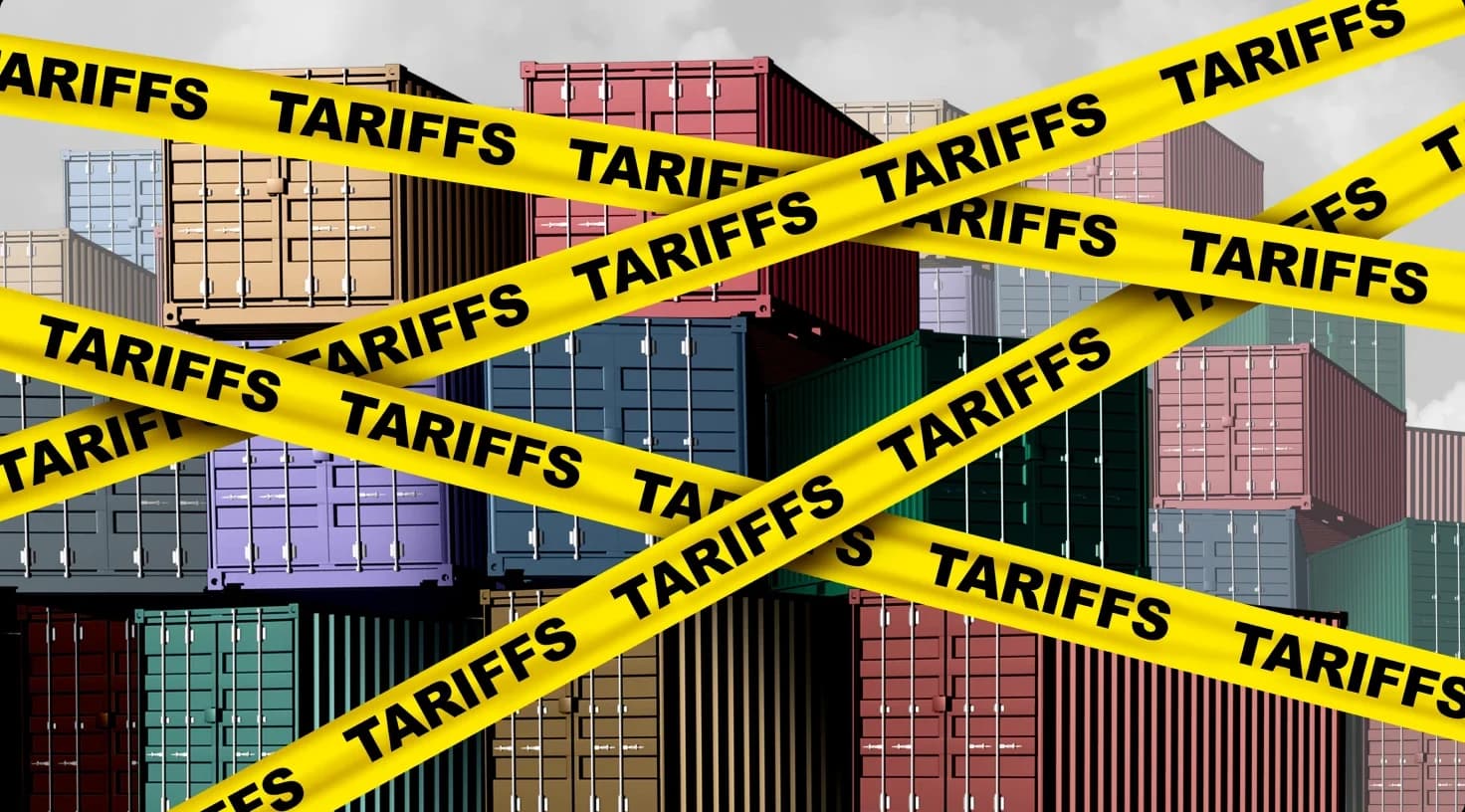
Why tariffs matter for field service businesses
Tariffs on essential equipment sourced from China and Mexico could ripple throughout the field service industry, driving up operational expenses. Businesses face tough choices: absorb the added costs or pass them onto consumers, potentially risking customer loyalty. At Workiz, our focus is on empowering companies with advanced operational tools to streamline processes and mitigate the impact of rising costs.

Mexico: A vital supplier at risk
Mexico plays a critical role in supplying the U.S. with essential equipment and components. In 2022 alone, Mexico exported approximately $29.5 billion worth of electrical components, $37.7 billion in computer equipment, and $10.9 billion in communications technology to the United States. Specialized equipment imports, including medical devices, totaled $10.3 billion, underscoring Mexico's strategic importance in the U.S. service sector.
The proposed tariffs could disrupt these critical supply chains, forcing businesses to seek alternative suppliers, potentially at higher costs and with longer lead times. The auto parts sector—where Mexico supplies nearly half (42.5%) of all U.S. imports—could face substantial price increases, elevating maintenance expenses for service fleets and impacting efficiency across the industry.
China's impact on the garage door market
China dominates the global garage door market, exporting over 17,400 shipments between March 2023 and February 2024. Valued at approximately $1.08 billion in 2022, Chinese exports of iron and steel doors, windows, and frames remain critical to U.S. markets despite a recent dip in export volumes. With a proposed 60% tariff on Chinese imports, the cost of these essential products could surge dramatically, significantly impacting installation and repair professionals reliant on competitively priced imports.

What field service businesses should expect
The proposed tariffs could lead to several challenges for the field service sector:
Rising Equipment Costs: Increased tariffs translate directly to higher prices for essential parts and materials, potentially driving up service costs for end-users.
Supply Chain Disruptions: Dependence on Chinese and Mexican imports means businesses may encounter delays and shortages, complicating service scheduling and customer satisfaction.
Increased Fleet Maintenance Expenses: Rising costs for automotive parts from Mexico could lead to higher expenses in vehicle upkeep, affecting overall operational efficiency.
Reduced Margins in Garage Door Services: Higher import tariffs could significantly erode profit margins in the highly competitive garage door industry, pressuring companies to either raise prices or face declining profits.
Economic Uncertainty: The uncertainty created by fluctuating import costs could prompt businesses to delay expansion, reduce hiring, or pass costs to customers, ultimately impacting service affordability and demand.
How businesses can adapt and thrive
To proactively manage the impact of these tariffs, field service businesses should:
Diversify Suppliers: Identify alternative domestic or international suppliers to reduce reliance on imports from China and Mexico.
Secure Bulk Purchasing Agreements: Lock in favorable prices before tariff hikes take effect.
Implement Predictive Inventory Tools: Leverage AI-powered inventory management solutions to optimize stock levels and forecast accurately.
Enhance Fleet Management Efficiency: Invest in fleet management technologies designed to minimize operating costs.
Transparent Customer Communication: Clearly explain the reasons behind price adjustments, helping customers understand the economic factors at play.
Looking ahead
Field service businesses are no strangers to change, but these proposed tariffs represent a unique challenge. Companies must swiftly reconsider their supply chain strategies, pricing approaches, and inventory practices. Leveraging innovative technology and data analytics will be key to successfully navigating this uncertain economic landscape.
As policymakers debate these tariff proposals, field service businesses must act proactively to maintain their competitive edge and financial stability in an evolving global marketplace.