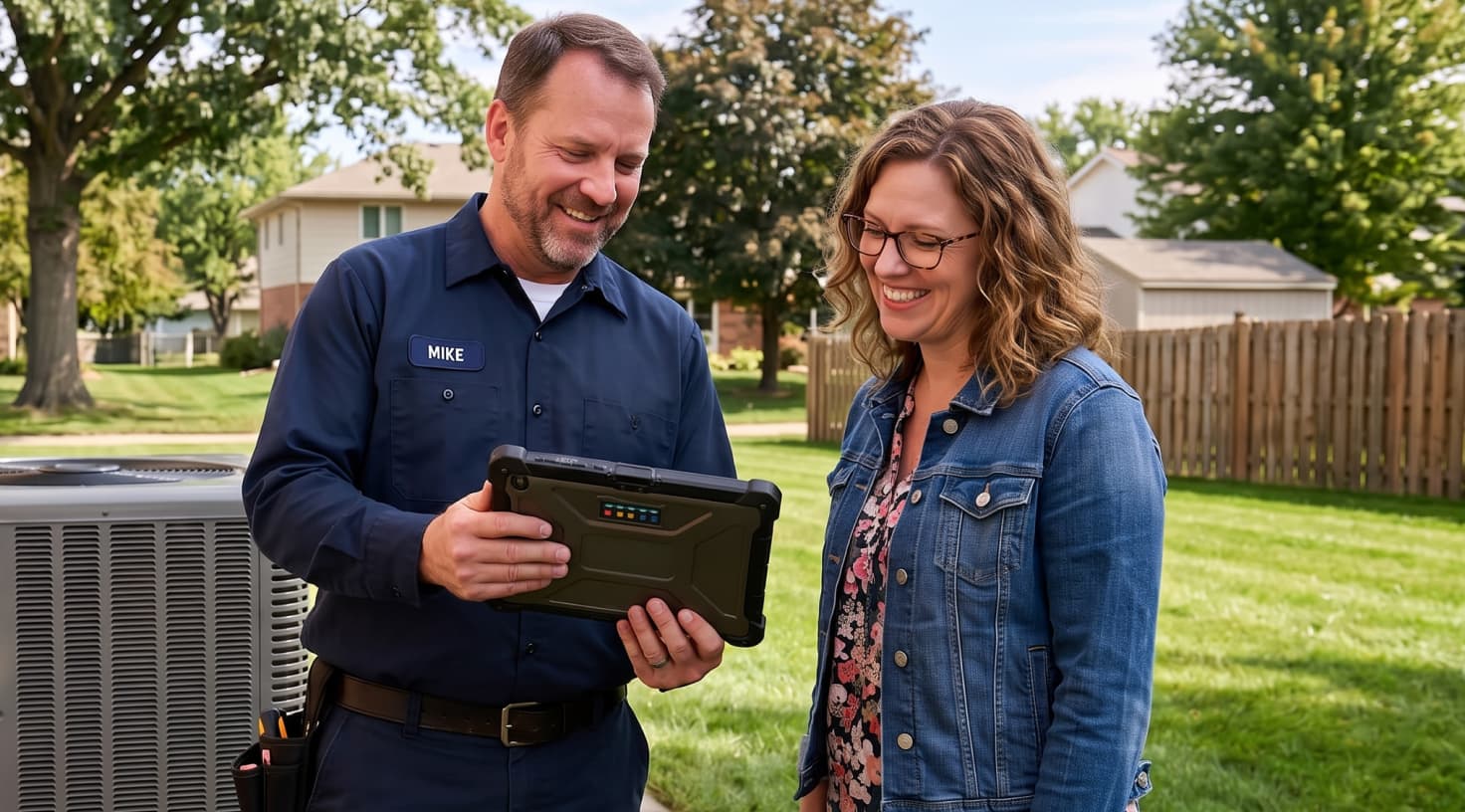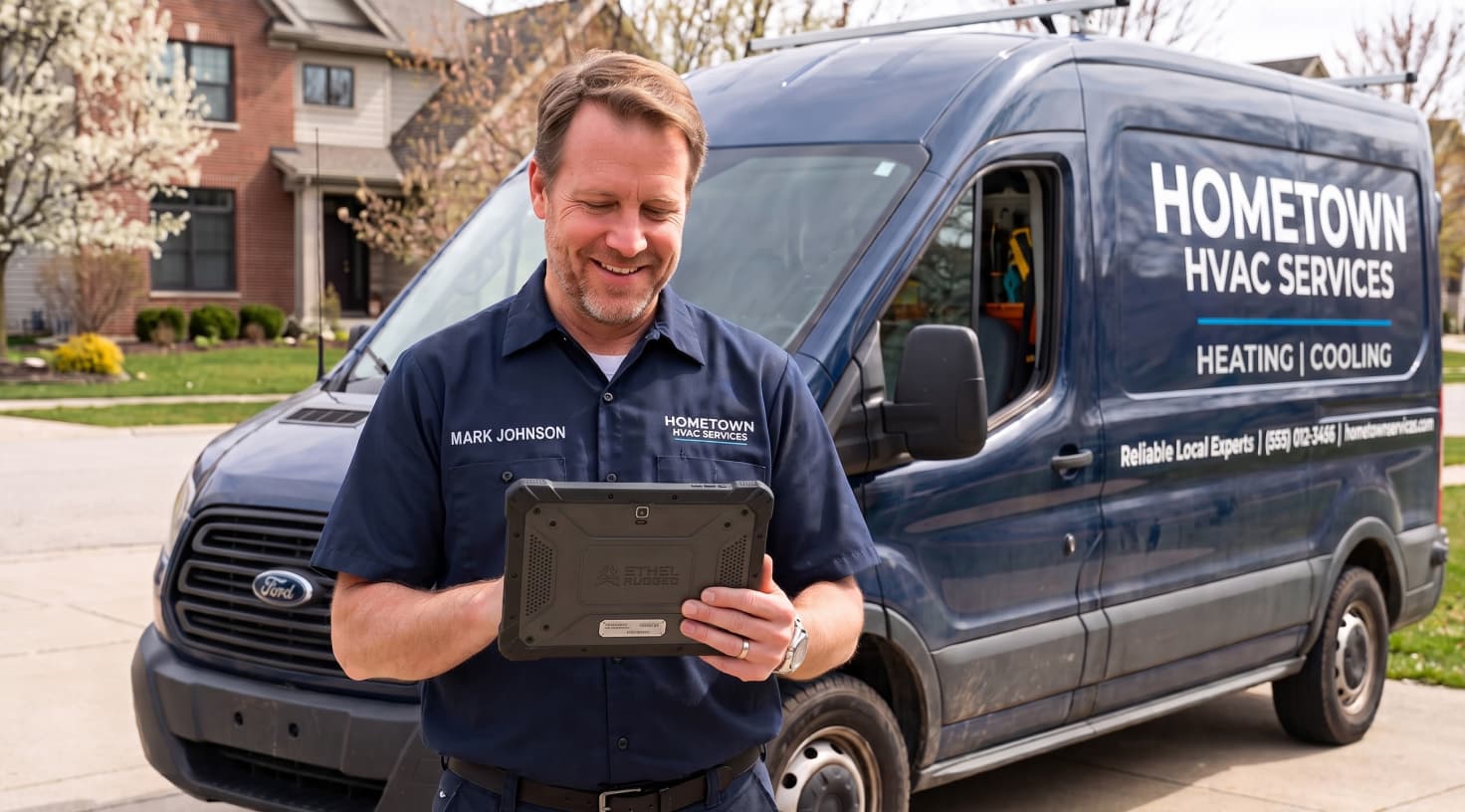

The idea is simple: by giving technicians a real stake in the business, they become more invested in its success, leading to increased loyalty, enhanced performance, and a team motivated by shared goals. But would it work in the HVAC industry? I reached out to some seasoned professionals for their take, and the responses were as varied as they were insightful.
A shared vision for growth
Equity-sharing is a powerful idea that could attract and retain top talent, aligning the entire team toward growth, profitability, and customer happiness. Will Housh, Founder and CEO of Contractor Commerce, strongly supports this approach, stating:
If I ever got back into home services, I think this is the model I would follow. Attracting and retaining the best talent is such a huge part of the equation for success in the trades. This type of equity-sharing approach aligns the entire team toward growth, profitability, and customer happiness.
Will's insights emphasize the importance of creating a collaborative and growth-focused culture through equity-sharing, making it a compelling strategy for long-term business success.
Challenges for union companies
Employee equity may need to be tailored to fit the unique structures of unionized organizations, which often operate under different dynamics than nonunion businesses. An operations manager, John, noted that while equity-sharing has merit for nonunion companies, unionized environments might require different solutions due to their distinct structures and employee representation. He elaborated:
Equity-sharing works well in environments where employees have direct influence over business outcomes. In unionized setups, the collective agreements often add layers of complexity that require customized approaches to truly unlock the potential of equity-sharing.

Solving the talent shortage
For some businesses, the immediate need isn't necessarily creating equity plans but solving the larger issue of finding qualified, motivated technicians. Shane Leitzke, Owner of NW HVAC Service, Inc., highlights this issue, stating:
I do get what you're saying, but we are actually working pretty well at capturing leads year-round. My crews haven't had to take a day off unless they asked for it. I don't need more jobs—I need more skilled technicians who want to work and have a strong sense of pride in their work.
Shane's perspective underscores the immediate challenge of attracting skilled technicians, suggesting that equity-sharing could be one part of a broader strategy to address the talent shortage.
Profit-sharing as a foundation
Equity alone may not be enough to drive motivation and loyalty among technicians. Combining equity with profit-sharing can create a more comprehensive incentive package, giving employees both a stake in the company's success and tangible rewards tied to its performance. A CEO suggested that this combination could give technicians a stronger sense of ownership and commitment, stating:
When employees see a direct link between their efforts and the company's success, it transforms their mindset. Equity and profit-sharing together are not just incentives; they are investments in a unified vision of growth.
The need for strategic implementation
While equity-sharing has potential, it requires thoughtful planning and execution. Sam Logan, Operations Manager at Hall's Heating and Air, acknowledges this challenge, stating:
While this seems like an interesting concept, proven in other industries, it would present challenges and require outside-the-box thinking and problem-solving to build a sustainable action plan for growth.
Sam's response highlights the complexity of implementing equity-sharing in the HVAC industry, especially for smaller businesses. It's a promising idea, but one that requires thoughtful planning and adaptation.
Case studies and insights
The concept of equity-sharing isn't entirely new in the HVAC industry, and some companies have tested it successfully. For example, employee-owned companies and limited equity-sharing initiatives have shown promise. A mid-sized HVAC firm introduced a limited equity-sharing initiative that granted top-performing technicians 5% ownership. Over three years, the company reported a 20% increase in technician retention and higher customer satisfaction ratings. Other businesses have paired equity plans with profit-sharing to address financial constraints and improve engagement. However, challenges remain, particularly in adapting these models for unionized workplaces or smaller businesses with tight margins.
For more on this topic, explore these examples:
Moving the conversation forward
Offering equity to technicians is more than just an idea—it's a call to reimagine how HVAC businesses can build stronger teams, retain top talent, and achieve long-term growth. The concept has merit, but as these experts highlight, its success depends on thoughtful implementation, tailored strategies, and a willingness to think beyond traditional structures.
What do you think? Could equity-sharing transform the HVAC industry? Or are the challenges too great for it to become a widespread solution? Let me know in the comments—I'd love to hear your thoughts.